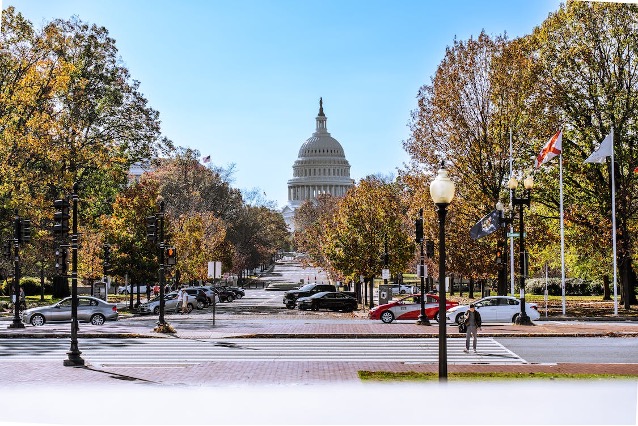
You might be sipping on your morning coffee while scrolling through news headlines, only to be reminded of another policy change or promise unmet by the federal government. It’s more than just griping about taxes or political missteps. At its core, it’s about the genuine distance between what Americans like you and me desire from our government and what we receive. You’re not alone, and the dissonance is fundamental. Bridging the gap between American citizens and the role of the Federal government isn’t just a debate; it’s a call for understanding and, ultimately, action.
Healthcare: The Universal Puzzle
Quality Over Haste
You’ve heard the debates, the promises of universal healthcare, yet here we are—stuck in the tangles of expensive medical bills and insurance loopholes. As Americans, we crave a healthcare system that offers quality and affordability, just like what the members of the U.S. Congress receive. In contrast, the federal government seems to dance around this expectation, leaving us yearning for more than a band-aid solution. The Affordable Care Act, better known as Obama Care, came close to universal healthcare, but it was met with fierce opposition and was ephemeral.
Prescription for Transparency
Pharmaceutical pricing is another sore spot. We want transparency but often get foggy policies that keep us guessing the actual costs. How can this divide be bridged? Activism, dialogue, and stringent policies may be our elixir, and we vote for a presidential candidate and member of Congress who can deliver for all Americans.
Education: A Blueprint for the Future, not book banning
Unveiling the Curriculum Conundrum – Education is supposed to be the great equalizer, but we keep hitting barriers. Standardized testing, insufficient funding, and an outdated curriculum continue to plague our expectations. However, the U.S. Constitution does not mandate a right to an Education. In terms of educational attainment, the U.S. used to be the world leader, but during the past few decades, it has been unable to hold that position. Enhancing the educational achievements of its students will significantly increase the economy and job chances. Improving student education and skill sets is critical to the future prosperity of the U.S. economy, necessitating a renewed focus on the development, compensation, and retention of outstanding educators [1].
Beyond the Four Walls, remote learning, vocational courses, extracurriculars—the demands are evolving, but does federal policy keep up? At the heart of this disconnect is perhaps a lack of real-world input from teachers, parents, and students into what education should look like today. Nevertheless (in reality), the federal government does not have a consultation mandate to streamline education to reflect the future, not just the past.
Infrastructure: More Than Just Roads
In paving the way, literally, for the nation’s infrastructure woes aren’t news to anyone. Despite their urgency, crumbling highways, outdated public transit systems, and inefficient energy sources seem to persist. Why? Because elected officials in the federal government seem more interested in patchwork repairs than comprehensive overhauls. However, the current U.S. administration has paved the way with the Investing in America, America’s Infrastructure and Competitiveness Bill.
Sustainable Steps Forward: Green energy is not just a fad—it’s a necessity. We want sustainable options, yet the elected officials we, the people, put in federal government offices seem sluggish. It’s not enough to acknowledge climate change; real, tangible changes are needed, and they are now required. For instance, the Colorado River is critically below the water level (read, Water Wars, Sharing the Colorado River), and monster hurricanes and tornadoes are thrashing the South East and West Coast. Climate change impacts the cost of living and cities, towns, and dislocated citizens, causing over population in some cities and towns such as Houston, TX, and increased crime.
The Thread of Civic Engagement
A government ‘of the people, by the people, for the people’ shouldn’t be just poetic rhetoric. By actively engaging in civic responsibilities like voting, community dialogue, and advocacy, we can push for a federal government that more closely aligns with our collective aspirations; it’s not about voting for someone who is popular, loud, and or age. It’s about results and saving America and democracy if we all desire freedom and justice for all.
Conclusion
There’s a difference between discontent and disillusionment. We’re at a crossroads where understanding this gap between public expectation and federal performance reality can guide us toward impactful policy reforms. Let’s stop settling for less and strive for a government embodying our desires.
By examining the fissures in healthcare, education, and infrastructure and stressing the importance of civic engagement, we can, as a collective society, inch closer to closing the gap between what we want and what the federal government delivers. Selecting a presidential candidate is not about popularity and/or who has the most money from donors; it’s about tangible actions and who will invest in keeping America democratic and strengthening our policy interests domestically and foreignly.
Reference(s)
[1] Policyed, (2023). Retireved from: https://www.policyed.org/blueprint-america/education-and-nations-future/video
Stay Tuned For Our Latest Episodes
Anean eu enim justo. Vestibulum aliquam hende rit molestie. Mauris malesuada nisi sit amet augue accumsan tincidunt. Maecenas tincidunt aliquam hende rit molestie. Mauris malesuada.